
Introduction
Your oral health affects much more than just your smile. Regular preventive dental care helps detect problems early, reduce treatment costs, and protect your overall health. Many dental issues—including cavities, gum disease, and enamel wear—often develop quietly before noticeable symptoms appear.
Preventive dental care focuses on stopping dental problems before they become more serious. Through routine dental checkups, professional cleanings, exams, and early intervention, patients can maintain healthier smiles for years.
If you are looking for Preventive Dental Care Freeport TX, understanding how prevention works can help you make informed decisions about your long-term oral health.
What Is Preventive Dental Care?
Preventive dentistry focuses on maintaining oral health through routine care and early diagnosis. Rather than treating advanced problems later, preventive care reduces the chances of developing serious conditions.
Common preventive dental services include:
- Professional teeth cleanings
- Comprehensive dental exams
- Digital X-rays
- Fluoride treatments
- Oral cancer screenings
- Gum disease evaluations
- Sealants and cavity prevention
- Patient education
These services work together to reduce risks while supporting healthier teeth and gums.
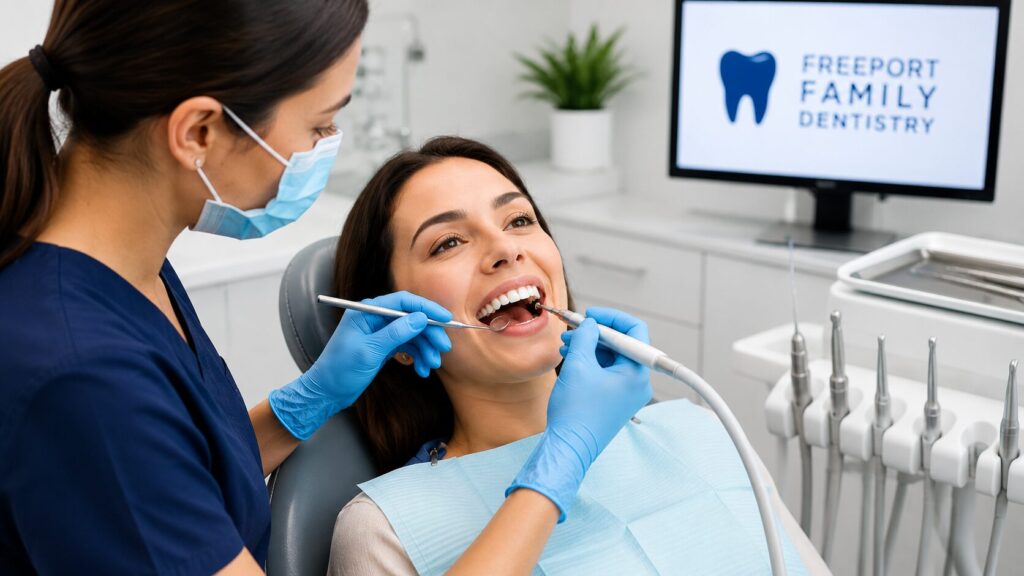
Why Routine Dental Checkups Matter
Many people postpone dental appointments until discomfort appears. Unfortunately, waiting for symptoms often leads to more extensive treatment needs.
Routine dental checkups help identify:
- Early cavities
- Gum disease
- Tooth wear
- Cracked teeth
- Infection risks
- Oral cancer signs
- Bite issues
When issues are identified early, treatment is often easier, faster, and more affordable.
Patients searching for Routine Dental Checkups Freeport frequently ask how often appointments should happen. Most individuals benefit from checkups every six months, although some patients may require more frequent visits.
What Happens During a Dental Exam?
A complete Dental Exam Freeport TX appointment usually includes multiple steps that help evaluate your oral health.
Comprehensive Review
Your dentist reviews:
- Medical history
- Dental concerns
- Symptoms or discomfort
- Medication changes
Oral Examination
Your provider evaluates:
- Teeth surfaces
- Existing restorations
- Gum health
- Bite alignment
- Jaw function
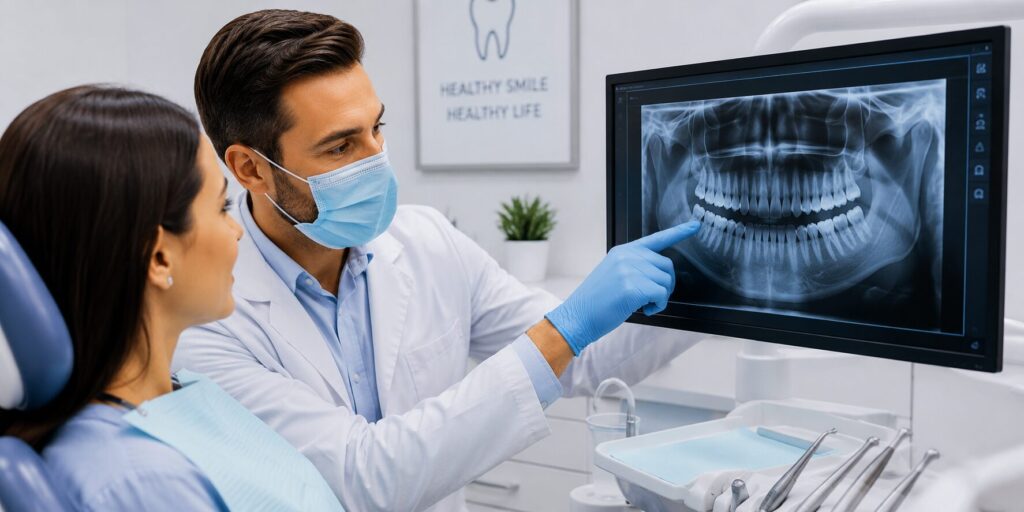
Digital Imaging
Modern digital X-rays allow dentists to identify concerns hidden below the surface.
Cleaning Evaluation
Plaque accumulation and tartar buildup are assessed before treatment recommendation
Benefits of Professional Teeth Cleaning
Even excellent brushing habits cannot completely remove hardened plaque buildup.
Professional Teeth Cleaning Freeport TX appointments help remove:
- Plaque deposits
- Tartar buildup
- Surface stains
- Bacteria below the gumline
Benefits of professional cleaning include:
Lower Cavity Risk
Removing buildup reduces decay-causing bacteria.
Healthier Gums
Routine cleaning decreases inflammation.
Fresher Breath
Reducing bacterial buildup helps improve breath quality.
Better Appearance
Professional polishing creates cleaner-looking smiles.
The Connection Between Oral Health and Overall Health
Research continues showing strong connections between oral health and systemic health.
Poor oral health has been associated with:
- Heart disease
- Diabetes complications
- Pregnancy complications
- Respiratory issues
- Chronic inflammation
Preventive dentistry supports whole-body wellness by reducing inflammation and improving health outcomes.
How Often Should You Visit the Dentist?
Frequency depends on individual needs.
Every 6 Months (Most Patients)
Ideal for:
- Healthy adults
- Preventive maintenance
- Regular monitoring
Every 3–4 Months
Recommended for:
- Gum disease patients
- Smokers
- High cavity risk patients
- Diabetic patients
Your dentist can recommend a personalized schedule.

Common Dental Problems Preventive Care Helps Avoid
Preventive care significantly lowers risk for:
Cavities
Routine exams identify early decay.
Gum Disease
Professional cleanings remove harmful bacteria.
Tooth Loss
Early treatment protects long-term oral function.
Expensive Treatments
Small problems remain easier and less costly to fix.
Dental Emergencies
Regular monitoring helps prevent unexpected complications.
Preventive Tips You Can Follow at Home
Preventive care continues between appointments.
Brush Twice Daily
Use fluoride toothpaste.
Floss Every Day
Clean between teeth consistently.
Limit Sugary Foods
Reduce cavity-causing bacteria exposure.
Drink More Water
Water supports saliva production.
Replace Toothbrushes Regularly
Change brushes every 3–4 months.
Wear Mouth Protection
Protect teeth during sports.
Why Preventive Dentistry Saves Money Long-Term
Many patients delay care because they think skipping visits saves money.
In reality:
- Fillings cost less than crowns
- Early treatment costs less than emergencies
- Cleanings cost less than restorations
- Prevention reduces future complications
Investing in prevention typically lowers lifetime dental expenses.
Choosing the Right Preventive Dental Provider
When selecting a provider, consider:
- Modern technology
- Experienced dental team
- Preventive-focused philosophy
- Family-friendly care
- Convenient scheduling
- Patient education approach
Choosing a practice focused on prevention helps support long-term oral health goals.
Preventive care helps keep your smile healthier, longer.
Protect Your Smile Before Problems Start
Whether you need a routine cleaning, dental exam, or preventive consultation, our team is here to help.
Book your appointment today.
📞 (979) 233-6000
🌐 freeportfamilydentistry.com
📍 313 S Brazosport Blvd, Freeport, TX
Frequently Asked Questions
How often should I schedule preventive dental appointments?
Most patients benefit from appointments every six months, although some may require more frequent visits.
What is included in preventive dental care?
Preventive care usually includes exams, cleanings, X-rays, screenings, and personalized recommendations.
Why are routine dental checkups important?
Regular visits help identify dental problems early and reduce long-term treatment needs.
Are professional cleanings necessary if I brush daily?
Yes. Professional cleaning removes tartar buildup that brushing alone cannot remove.
Does preventive care help avoid expensive treatment?
Preventive care often reduces the need for complex restorative procedures.